April 6, 2024

How Zoning Regulations in Lagos State Influence Real Estate Investment

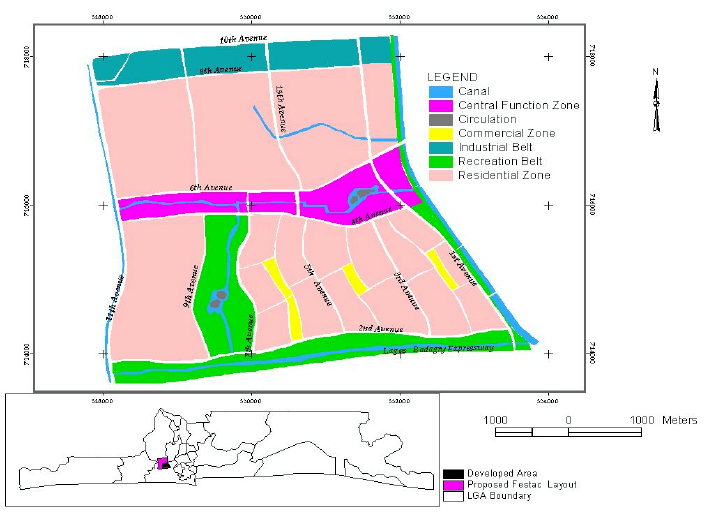
In the bustling heart of Nigeria, Lagos State stands as a beacon of economic activity and real estate development. The way land is zoned within this urban landscape significantly impacts real estate investment, shaping the opportunities and challenges investors face. Let’s delve into how zoning regulations affect this vibrant market. Zoning, the process of dividing land into different uses as prescribed by local authorities, directly influences the types of development permissible in various parts of Lagos State. For investors, understanding these regulations is pivotal in identifying viable investment opportunities and navigating potential restrictions. Firstly, zoning laws dictate residential, commercial, industrial, and mixed-use areas, affecting land value and investment potential. For instance, areas zoned for commercial use typically attract higher investment due to the prospect of rental yields from businesses. In contrast, residential zones offer different opportunities, such as developing housing units that meet the soaring demand in Lagos. Furthermore, zoning regulations play a crucial role in urban planning and sustainability. They ensure that developments align with the state’s vision, influencing long-term property values. As Lagos State strives towards organized growth and environmental balance, investments in zones earmarked for future development can yield significant returns. However, grappling with zoning laws can be a challenge. Stringent regulations in certain zones might restrict development types or require investors to obtain various approvals, affecting project timelines and costs. Thus, a thorough understanding of zoning intricacies becomes an invaluable tool for real estate investors aiming to capitalize on Lagos State’s dynamic market. In conclusion, zoning in Lagos State not only determines the functional fabric of its neighborhoods but also represents a critical factor in real estate investment decision-making. For investors, navigating these regulations successfully can unlock exceptional opportunities in one of Africa’s most vibrant economic hubs.

How Zoning Regulations in Lagos State Influence Real Estate Investment Read More »

Understanding Real Estate Market Trends in Lagos, Nigeria

Navigating through the vibrant real estate market of Lagos, Nigeria, requires a keen understanding of its unique dynamics. This bustling metropolis, known for its rapid growth and diverse opportunities, offers various insights through market data that are essential for prospective investors, homebuyers, or realtors aiming to make informed decisions. To grasp the pulse of Lagos’s real estate trends, start by examining historical price movements. These not only reveal patterns of appreciation or depreciation but also help identify areas with potential for high return on investment. Paying attention to governmental policies, infrastructural developments, and economic indicators such as inflation rates and GDP growth can provide a broader context to the price changes observed. Recognizing trends also involves analyzing demand-supply dynamics. Areas experiencing a high influx of population due to employment opportunities or urbanization tend to witness a surge in demand for housing, pushing prices upwards. Conversely, oversupply can lead to market stagnation or price declines. Predicting future market movements, while challenging, involves a combination of quantitative analysis and qualitative insights. Stay informed on upcoming infrastructural projects, changes in zoning laws, and shifts in demographic patterns. In conclusion, understanding the real estate market trends in Lagos requires not just a look at the numbers but also a deep dive into socio-economic factors driving these changes. Armed with this knowledge, stakeholders can navigate the market with greater confidence and strategic foresight.

Understanding Real Estate Market Trends in Lagos, Nigeria Read More »

HOW TO CREATE WEALTH IN REAL ESTATE WITHOUT BUYING PROPERTIES

Becoming a land consultant involves playing a critical role in the real estate sector, specifically focusing on land transactions. This role requires a deep understanding of the land market, zoning regulations, land valuation, and the legal aspects of land transactions. Here’s a concise guide on how to focus on becoming a land consultant, particularly in connecting buyers with sellers and negotiating deals that may include receiving land in exchange for facilitating a certain number of transactions. In Conclusion:Becoming a successful land consultant requires a blend of market knowledge, negotiation skills, and ethical practice. By focusing on building a strong network, understanding the needs of both buyers and sellers, and staying informed on legal regulations, you can facilitate successful land transactions and build a reputable career in the field.

HOW TO CREATE WEALTH IN REAL ESTATE WITHOUT BUYING PROPERTIES Read More »